Skip to content
Metal3DMetal3D

Applications

Industries we serve.

The common thread is not a sector. It is components with complex geometry, demanding materials and low volumes, where tooling cannot be justified and tolerance still has to be met.

Sectors

Six areas of regular work.

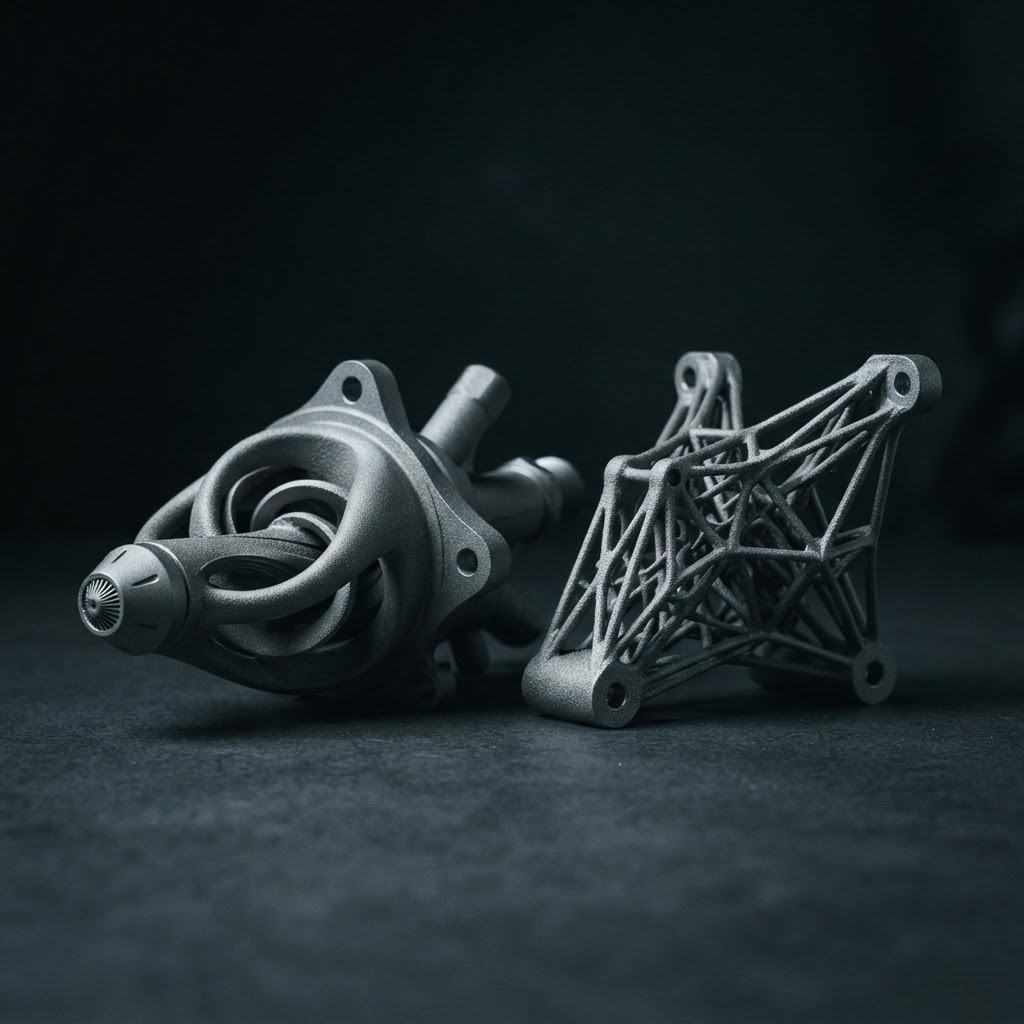
Metal additive manufactured components for aerospace applications

01 · Sector

Aerospace

Lightweight components, complex geometry and high-performance materials.

Titanium and nickel superalloy components where mass, geometry and traceable dimensional verification all matter. Machining allowance and inspection strategy are planned into the build.
Metal additive manufactured components for automotive & motorsport applications

02 · Sector

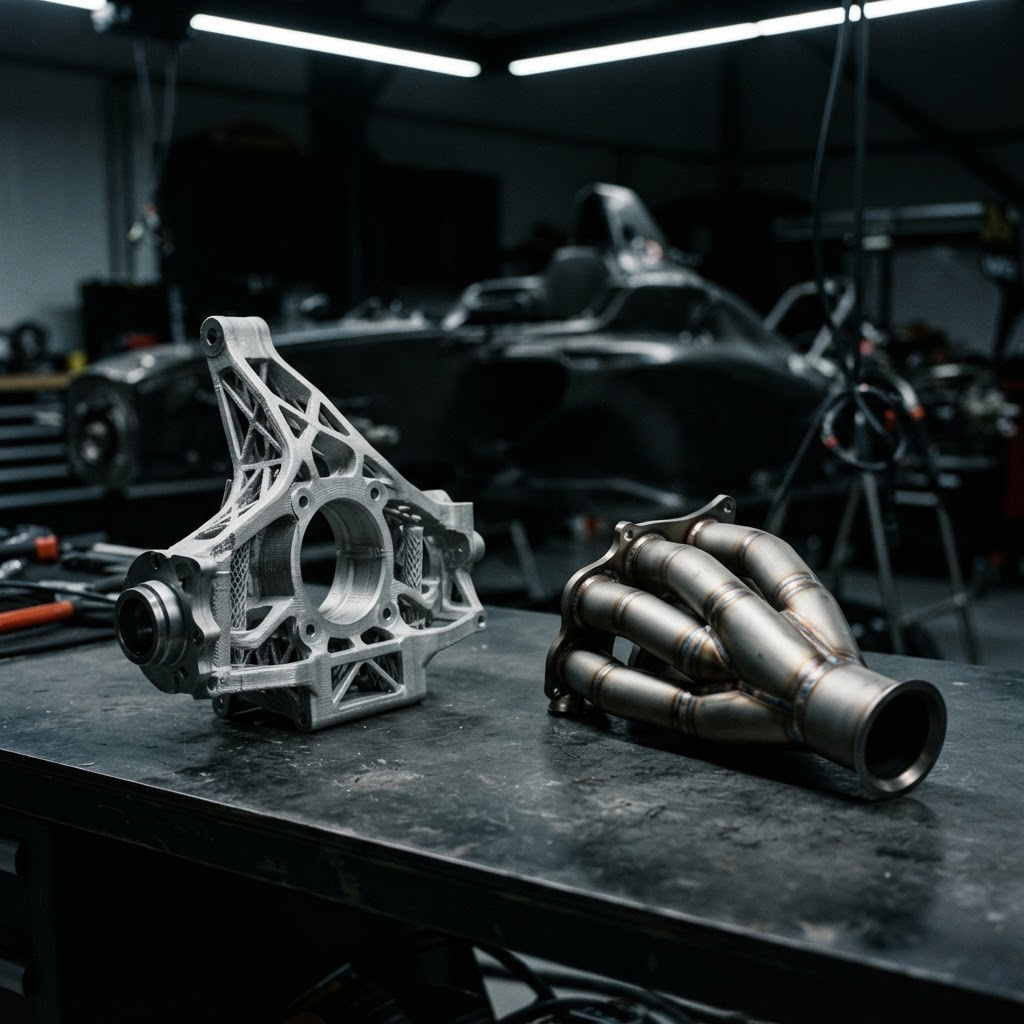
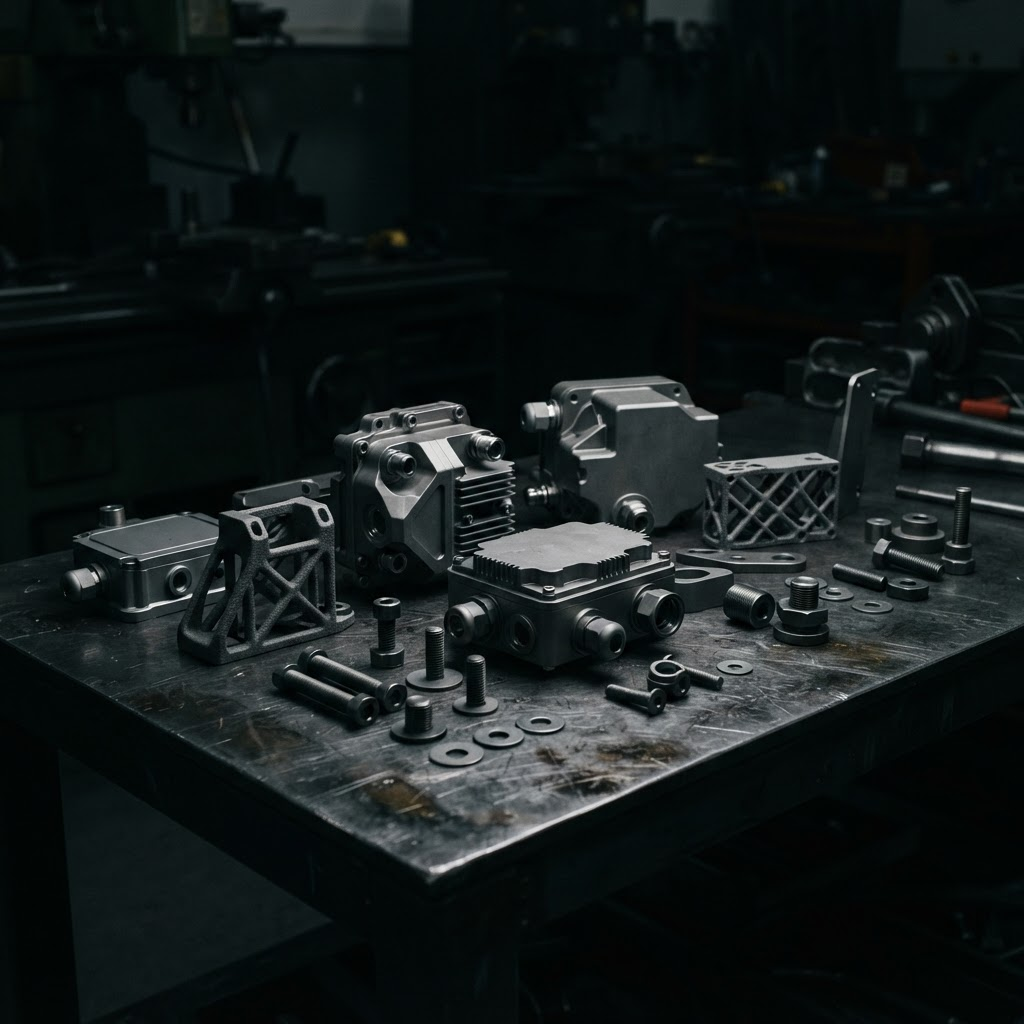
Automotive & Motorsport

Rapid development, prototypes, tooling and low-volume components.

Short development loops on aluminium and titanium hardware, from a single test part to a small race-season batch, with machined interfaces where the part has to bolt straight on.

Metal additive manufactured components for defence applications

03 · Sector

Defence

Complex engineering components and low-volume manufacturing.

Obsolete and hard-to-source parts, ruggedised housings and specialist fixtures manufactured in low volume without tooling investment.

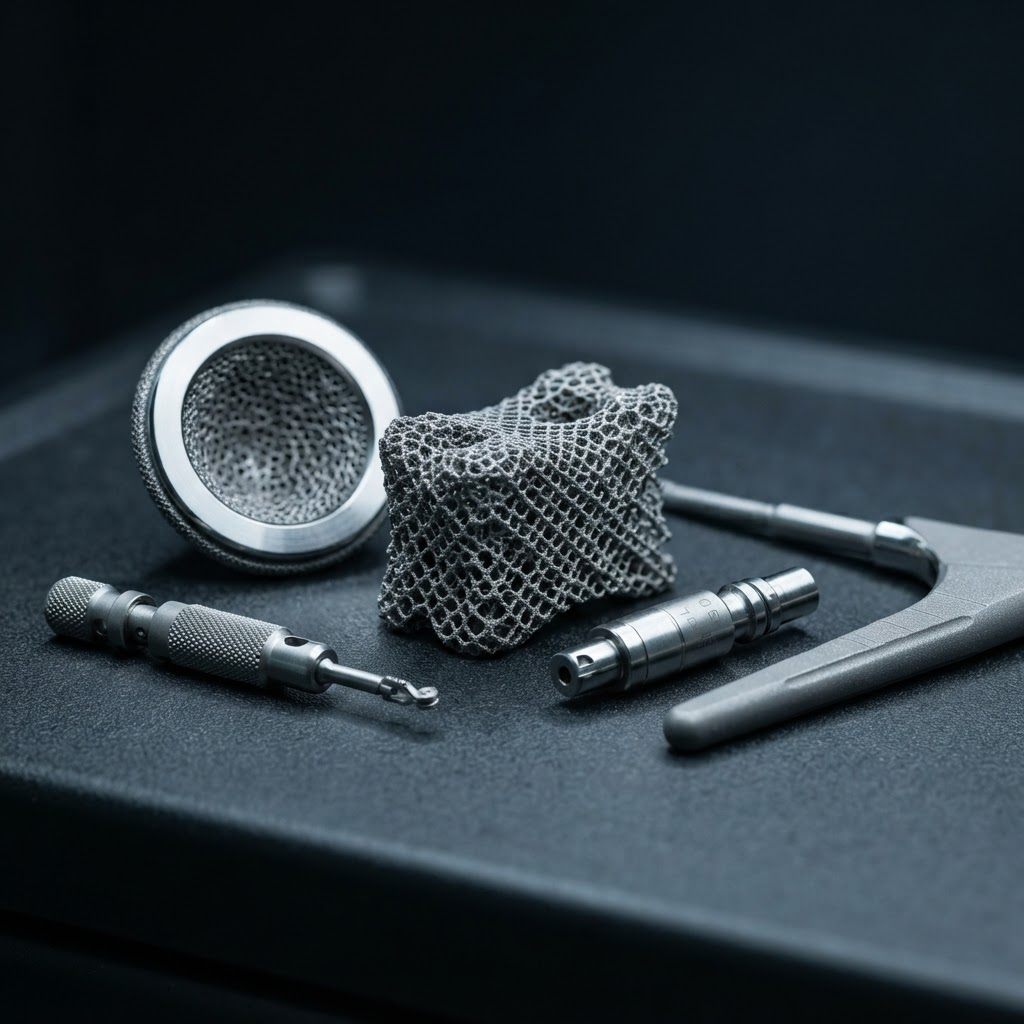
Metal additive manufactured components for medical applications

04 · Sector

Medical

Precision components and complex geometry.

Instrument and device components in stainless steel and titanium, including fine features and controlled surface finishes, with dimensional evidence on delivery.

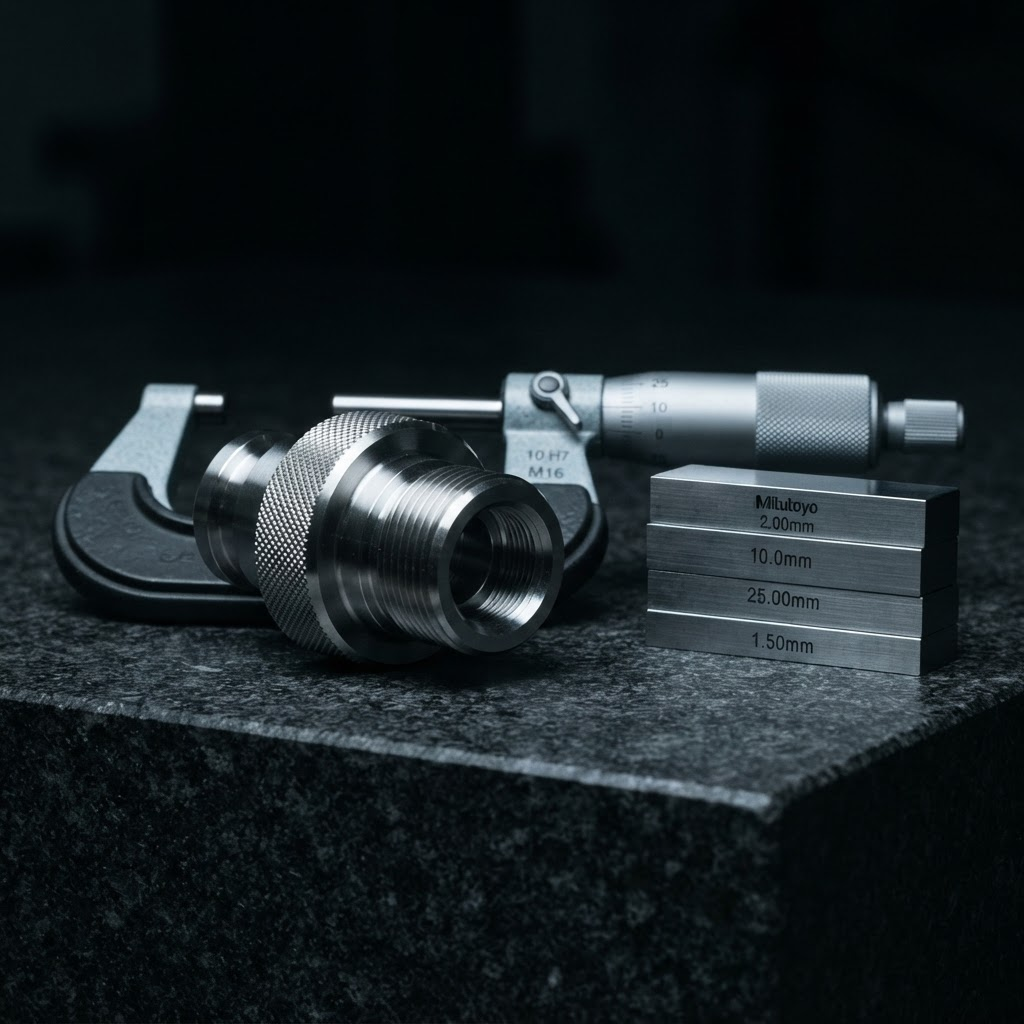
Metal additive manufactured components for precision engineering applications

05 · Sector

Precision Engineering

Low-volume and difficult-to-machine components.

Components that would need long setups, complex fixturing or unusual internal features are built additively, then machined only where tolerance demands it.

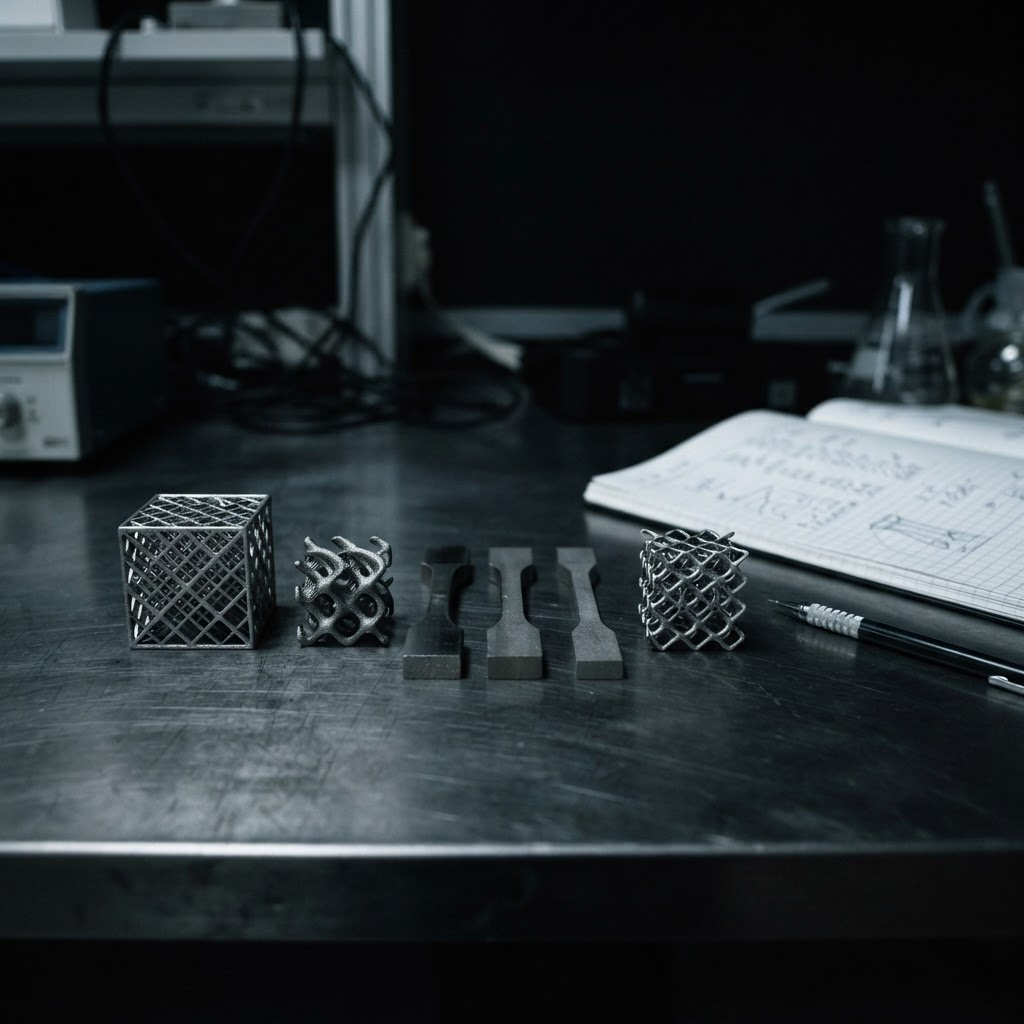
Metal additive manufactured components for r&d applications

06 · Sector

R&D

Rapid manufacture of experimental components and prototypes.

Test specimens, rigs and experimental geometry for universities and research organisations, including repeat builds for comparative studies.

Next step

Send us the component.

Upload your CAD or drawing and an engineer will assess the manufacturing route, material and finishing requirements.